We, hungarians
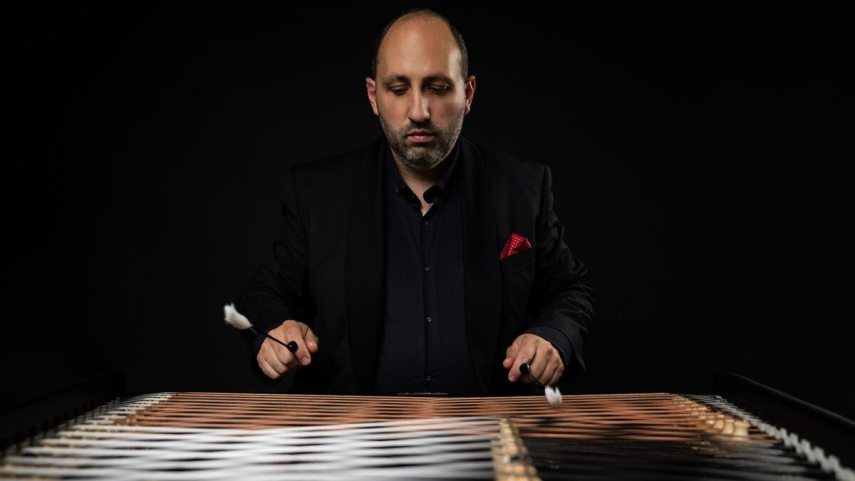
A Hungarian dulcimer virtuoso conquers America
Melancholic grace, dazzling interpretation – these are the words used by a critic from the New York Times to describe the performance of Jenő Lisztes, who recently appeared with the New York Philharmonic at Lincoln Center. We had the pleasure of speaking with the globe-trotting Hungarian musician.
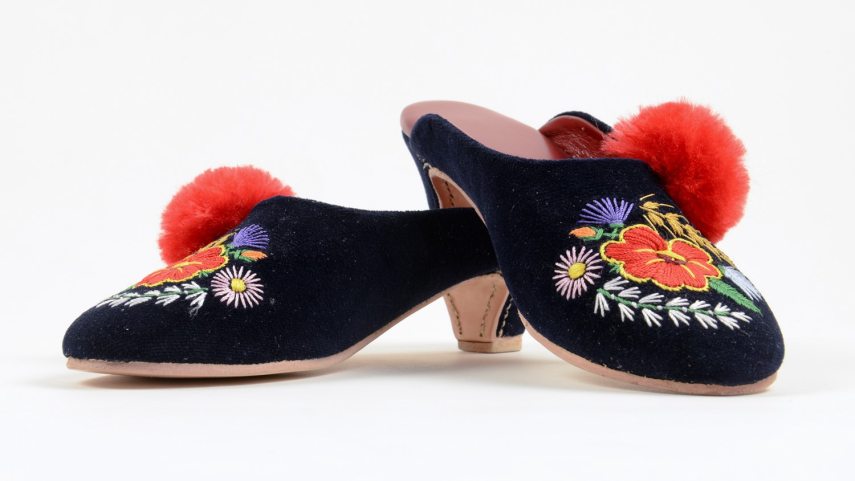
From clay to lace and beyond
Dedicated Hungarian artisans keep centuries-old traditions alive, crafting a cultural legacy that blends history, community, and artistic excellence.
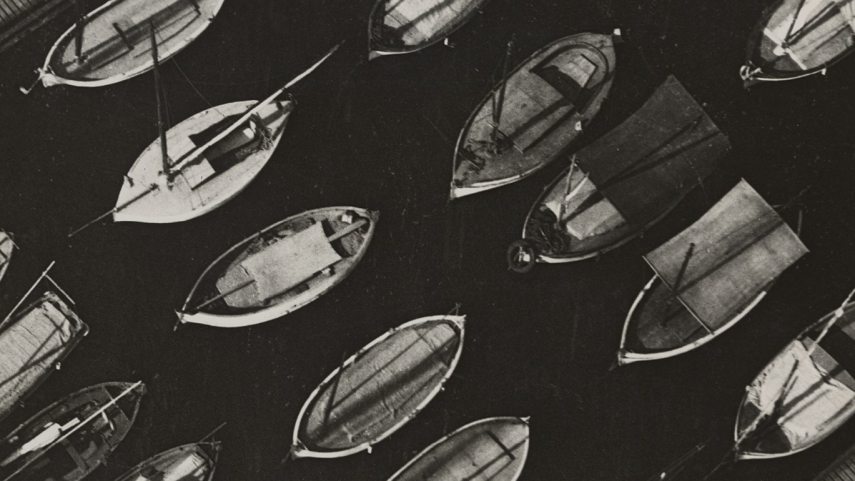
From André Kertész to Robert Capa: Hungarian photographers in America
Featuring over 170 pieces, including André Kertész and Robert Capa, Museum of Fine Arts' exhibition illuminates their profound impact on modern photography.
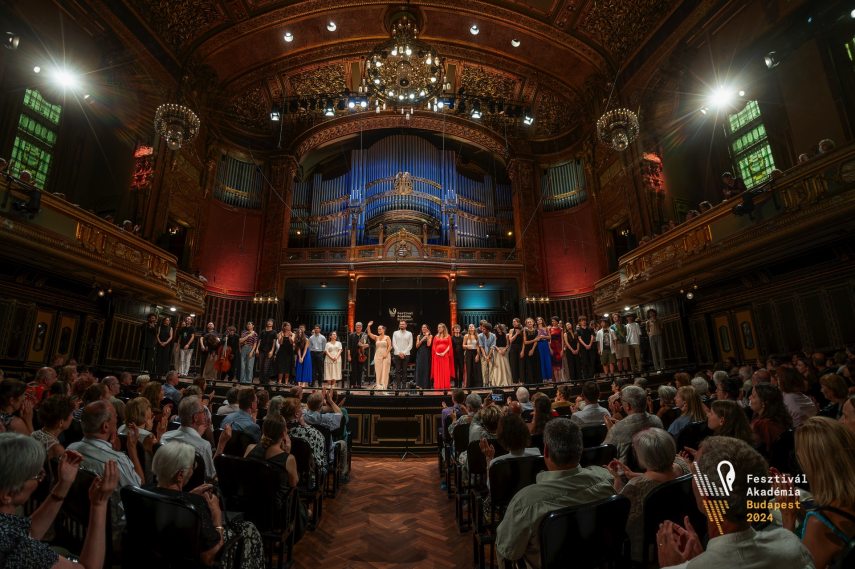
Successful Conclusion of the Festival Academy Budapest – Summerfest 2024
On Sunday evening, the 9th Festival Academy Budapest Summerfest concluded with great success in the Grand Hall of the Liszt Academy.
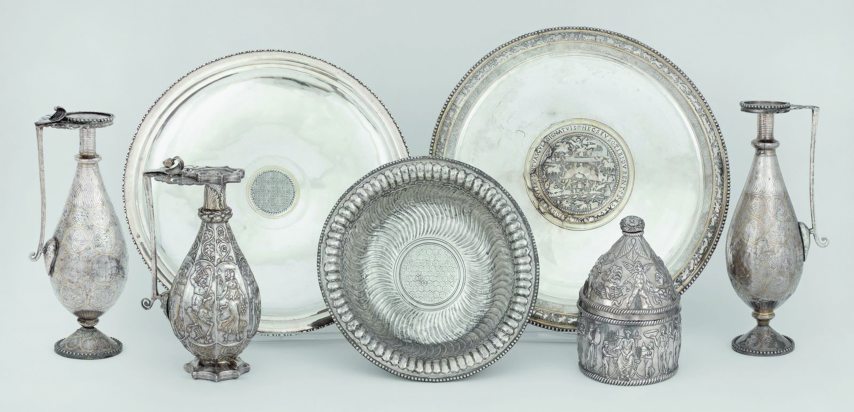
The Seuso treasure is a magnificent glimpse of roman luxury
The Seuso treasure, a collection of silver masterpieces revealing the affluent lifestyle of Pannonia's elite, is on display in the Hungarian National Museum.
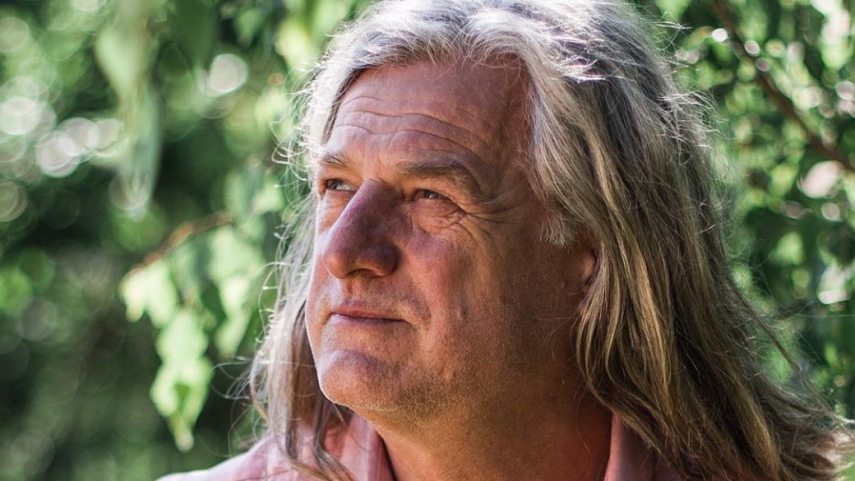
I never wanted to be an Indian
Hungarian poet and translator Gábor Gyukics talks about leaving Hungary in the 80s as a political refugee, his time living in the US, and his years of translating Native American poetry.
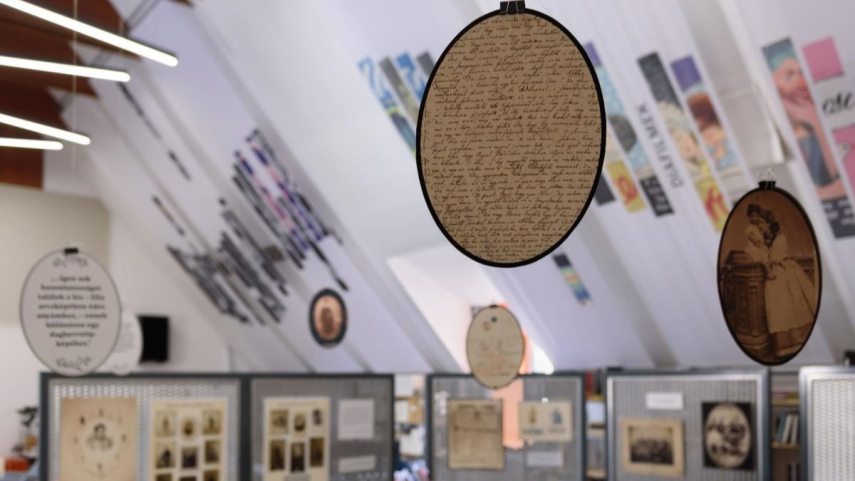
Capturing the human faces in Hungarian portrait photography
Discover the evolution of 19th-century Hungarian portrait photography, blending traditional artistry with emerging techniques to capture the faces of society.
The future is easy because it will arrive predictably – an interview with Albert-László Barabási
Is there a principle that can help us understand phenomena as diverse as computer networks, electric circuits, biochemistry, pandemics, or the number of friends we have on Facebook? Network scientist Albert-László Barabási gave us some insight into the magical world of network science while we chatted about COVID, the ecological crisis, future prediction, and – surprisingly – the role of the arts.
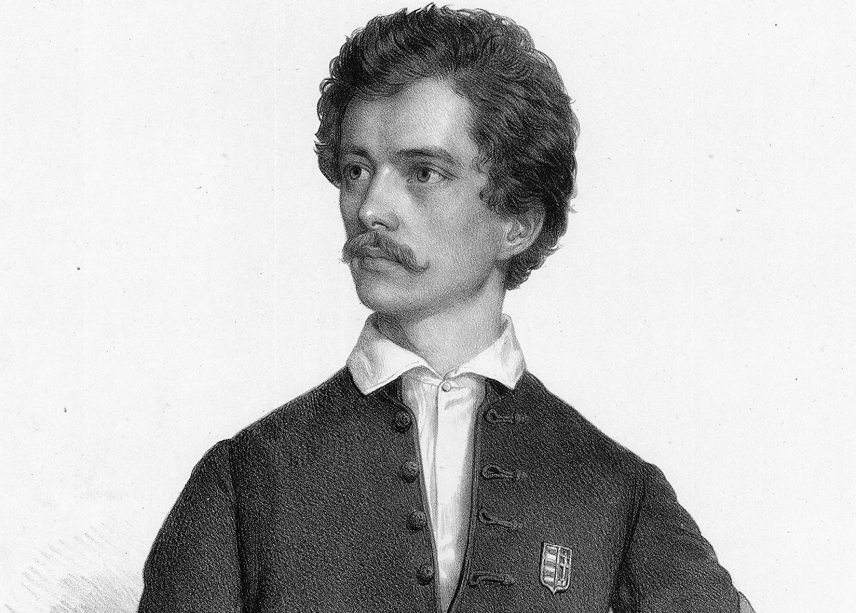
A Character in World Poetry Called Petőfi
Two hundred years ago a poet, considered by Hungarians to be the epitome of a poet, was born. When, as a child, I told my parents and grandparents that I wanted to be a poet, they laughed. My family had been poor farmers for centuries. There was not even a teacher among them. Farmers become farmers, not poets, my parents thought and laughed, but some children are crazy. He’ll outgrow this, the way children outgrow their clothes. But I was determined, so as a final argument they told me that there already is a poet: Petőfi.
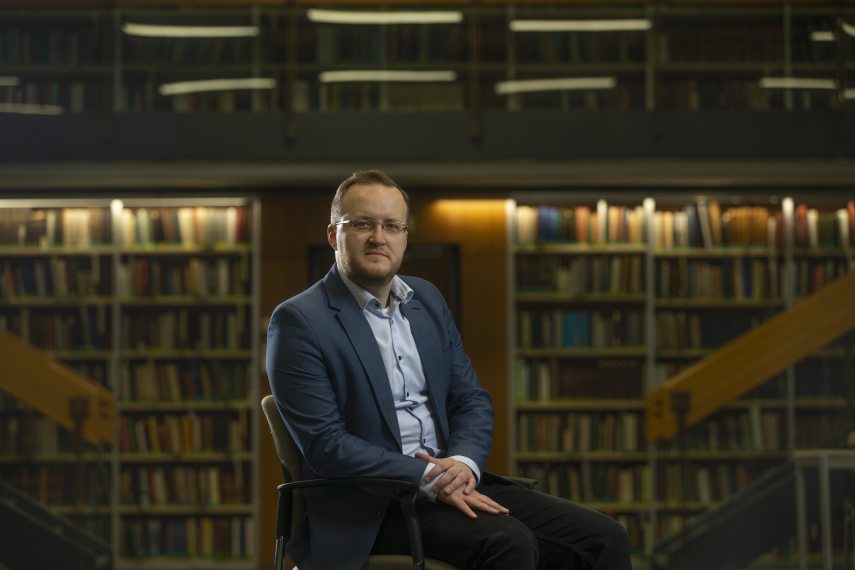
Dávid Rózsa: „There will always be a need for people who can help guide us through the flood of information”
What roles might the National Széchényi Library continue to play in a world in which far more books and journals are published digitally than actually go to the printing press? And what roles might it play in a world in which people arguably read less and less? What are the oldest documents in the library’s collection? Which items from the various collections are stored in digital formats, in the archives in Svalbard, to be preserved in case of an apocalypse? We touched on these questions and more in a conversation with Dávid Rózsa, Director-General of the National Széchényi Library.